Hydrocarbon Refrigerants

What are hydrocarbons?

"Hydrocarbon" sounds technical. But it's just the name for a family of natural gases you already live with, every single day.

— The basics

A natural refrigerant, not a chemical one.

Most air conditioners are charged with synthetic chemical refrigerants — chemical blends with names like R410a or R134a. They work, but they're rough on the environment if they leak, and they're being phased out worldwide.

Natural hydrocarbon refrigerants are different. They occur in nature, they're refined for use in cooling systems, and their impact on the climate is a tiny fraction of the synthetic chemicals they replace.

They also absorb heat better. That means your system shifts the same heat using less electricity — and reaches the set temperature faster. Same controls, same comfort, smaller bill.

We're not replacing your unit. We're swapping out the gas inside it.

— Already everywhere

Hydrocarbons are already at work around Australia.

From supermarkets to high-rises to industrial cold storage — hydrocarbon refrigerants are quietly running large parts of the cold chain and air-conditioning landscape already. Putting them in your system isn't new ground.

In supermarkets

Commercial refrigeration

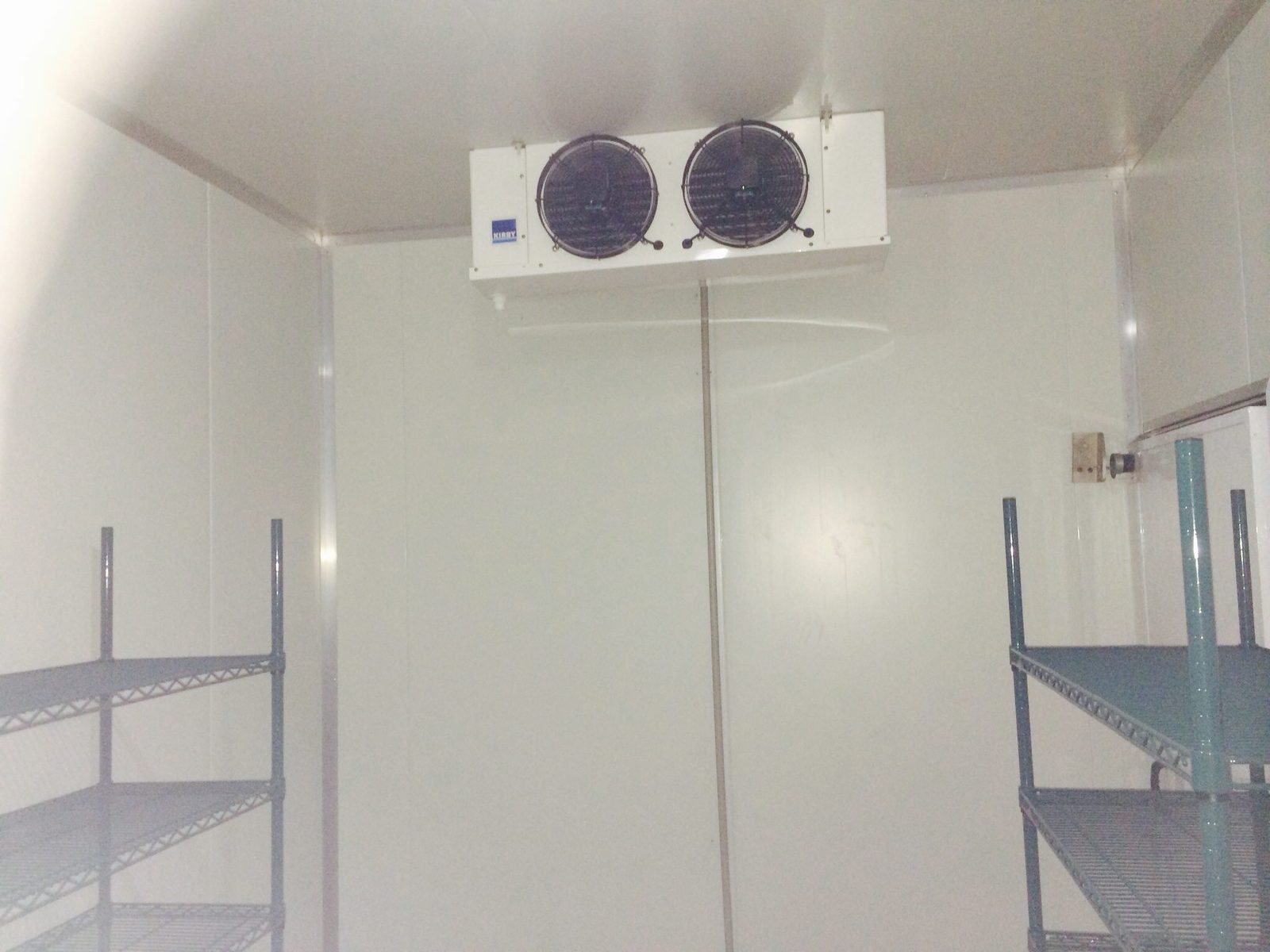
Cool rooms, supermarket display fridges, and chiller plant across Australia — many already running on hydrocarbon refrigerants.

In high-rises

Commercial air-conditioning

Centralised HVAC in offices and apartment buildings — exactly the kind of system where a retrofit pays back hardest.

On the land

Wineries & orchards

Fruit growers, wineries, and other farming operations that depend on reliable, cost-effective refrigeration to protect what they produce.

Interior of a commercial cool room with overhead evaporator
Cold storage

Pubs, clubs, shops & cool rooms

Anywhere stock needs to stay cold: clubs, pubs, bottle shops, restaurants, butchers and grocers — and the cool rooms behind them.

So putting them in your air conditioner? A smart move for your future.

Apple orchard in NSW, dense leafy canopy
— Where it works

The same technology cooling supermarkets is what cools your home.

Hydrocarbon refrigerants don't care whether the system is a small bedroom split or a multi-tonne commercial chiller. The chemistry is the same, the efficiency benefit is the same, and the environmental story is the same.

It's why the technology is already trusted in mines, supermarkets, hotels, fruit orchards and wineries worldwide — and increasingly, in Australian homes.

— Why it's the better charge

Three reasons it wins.

Efficiency

It absorbs heat better.

Natural hydrocarbons pick up and shed heat more readily than the chemical refrigerants they replace. Your system shifts the same heat using less electricity — and reaches the set temperature faster.

Environment

Thousands of times less warming.

If a synthetic chemical refrigerant leaks, it can warm the atmosphere thousands of times more than the same amount of carbon dioxide. Natural hydrocarbons carry almost none of that impact.

Longevity

Future-proof, not phased out.

Synthetic chemical refrigerants are being progressively restricted. Natural refrigerants aren't on that list — so the system you retrofit today won't need re-gassing with something else tomorrow.

— Why switch

More efficient. Less wear. Lower cost.

The case for natural hydrocarbon refrigerant comes down to four things: efficiency, longevity, environment, and cost. Here's the technical reality.

— 01 Efficiency

Better heat transfer, lower power draw.

Natural hydrocarbon refrigerants conduct heat far more efficiently than the synthetic chemical refrigerants they replace. Your compressor does less work to move the same heat — drawing less electricity and reaching the set temperature faster than before.

— 02 Longevity

Less wear on your equipment.

Operating pressures with natural refrigerants run lower than with synthetic chemical refrigerants, and discharge temperatures inside the compressor run cooler. The result: less mechanical stress, longer service life, fewer maintenance call-outs over the life of the unit.

— 03 Compatibility

A genuine drop-in solution.

Natural hydrocarbon refrigerant works with both mineral and synthetic compressor lubricants — meaning we don't need to replace the oil when we retrofit your system. The existing lubricant stays, the existing components stay, and only the refrigerant changes.

— 04 Purity

Refrigerant-grade, 99%+ pure.

The natural hydrocarbon refrigerant we work with is refined to refrigerant-grade purity — over 99%. Impurities can lower system efficiency and cause corrosion over time, so the higher the grade, the better the result you get out of the retrofit.

— Where it's used

Cooling. Heating. Refrigeration.

Natural hydrocarbon refrigerants work in both cooling and heating cycles — and across every kind of refrigeration. Domestic split systems, ducted whole-home, commercial air conditioning, cool rooms, supermarket display cases, wineries, orchards, industrial chillers and process cooling all run on the same family of natural refrigerants.

— Already trusted

Major operators worldwide already run on this technology.

Hydrocarbon refrigerants are quietly running mines, supermarkets, hotels, hospitals and food production worldwide. A few examples of companies using this technology:

BHP Billiton Australia
Fortescue Metals Australia
McDonald's Restaurants Australia & Philippines
Sainsbury's Supermarket UK
Tesco's Supermarket UK
JW Marriott Hotel Indonesia
Ritz Carlton Indonesia
Novotel Hotel Indonesia
Edeka Supermarkets Germany
REWE Supermarket Germany
Royal Institute of British Architects UK
National Hospital UK
Citi Bank House Australia
GDI Property Group Australia
Perth Medical Centre Australia
Watershed Winery Australia
Naturaliste Vintners Winery Australia
Tip Top Bread NZ
Quickchill Pilbara WA
Lidcombe Ice Australia
Rockingham Recreation Centre Australia
Far East Square Shopping Mall Singapore
Watson's Stores Singapore
Gaisano Country Mall Philippines

List reflects companies known to be using hydrocarbon refrigerants globally — they are not necessarily Retrofit Aircon clients.


— On safety

A fair question — here's the honest answer.

Yes, it's safe — and that's because of how we engineer the retrofit, not just the gas itself. Propane is a hydrocarbon and a form of LPG. It's flammable, in the same way the gas in your stovetop is. Treated with respect and handled properly, it's run safely inside millions of refrigeration systems worldwide.

Before any retrofit goes ahead, we run a thorough check on the system you already own:

  • Thermal imaging (IR) scan — to check for hotspots that could cause issues.
  • Leak detection — before we start, so we know the system is sound.
  • Pressure testing — to confirm the system holds before any new refrigerant goes in.

We're fully insured, and we stand behind every job we do. If we can't make a system work safely or economically, we'll tell you up front — that's part of what the free check is for.

Snap this with your phone

The short version, in five points.

If you're showing this to someone else — partner, landlord, business owner — these are the points worth remembering.

  • 01
    Same system, smarter gas.
    We don't replace your unit. We swap out the chemical refrigerant for a natural one.
  • 02
    Better heat absorption.
    Your system shifts heat using less electricity, and reaches the set temperature faster.
  • 03
    A tiny fraction of the warming impact.
    Thousands of times less than the chemical gases being phased out worldwide.
  • 04
    Already at work.
    In supermarkets, high-rises, wineries, orchards, cool rooms — across Australia and worldwide.
  • 05
    Safe when done properly.
    Leak checks, IR thermal scans, pressure testing. Fully insured. We stand by every job.
Retrofit · Aircon  ·  info@retrofit-aircon.com.au  ·  0412 820 077
— Take it with you

Detailed information, in your pocket.

Two short PDFs you can save, send to family, or show your installer.